New Jersey Must End the Era of Runaway Spending
By Assemblymen Erik Simonsen and Antwan McClellan
On March 10, Governor Mikie Sherrill will deliver her first budget address. In recent weeks, the Governor has spoken about the need for restraint in Trenton. Those are encouraging words. However, the budget she presents will show whether that commitment to restraint is real.
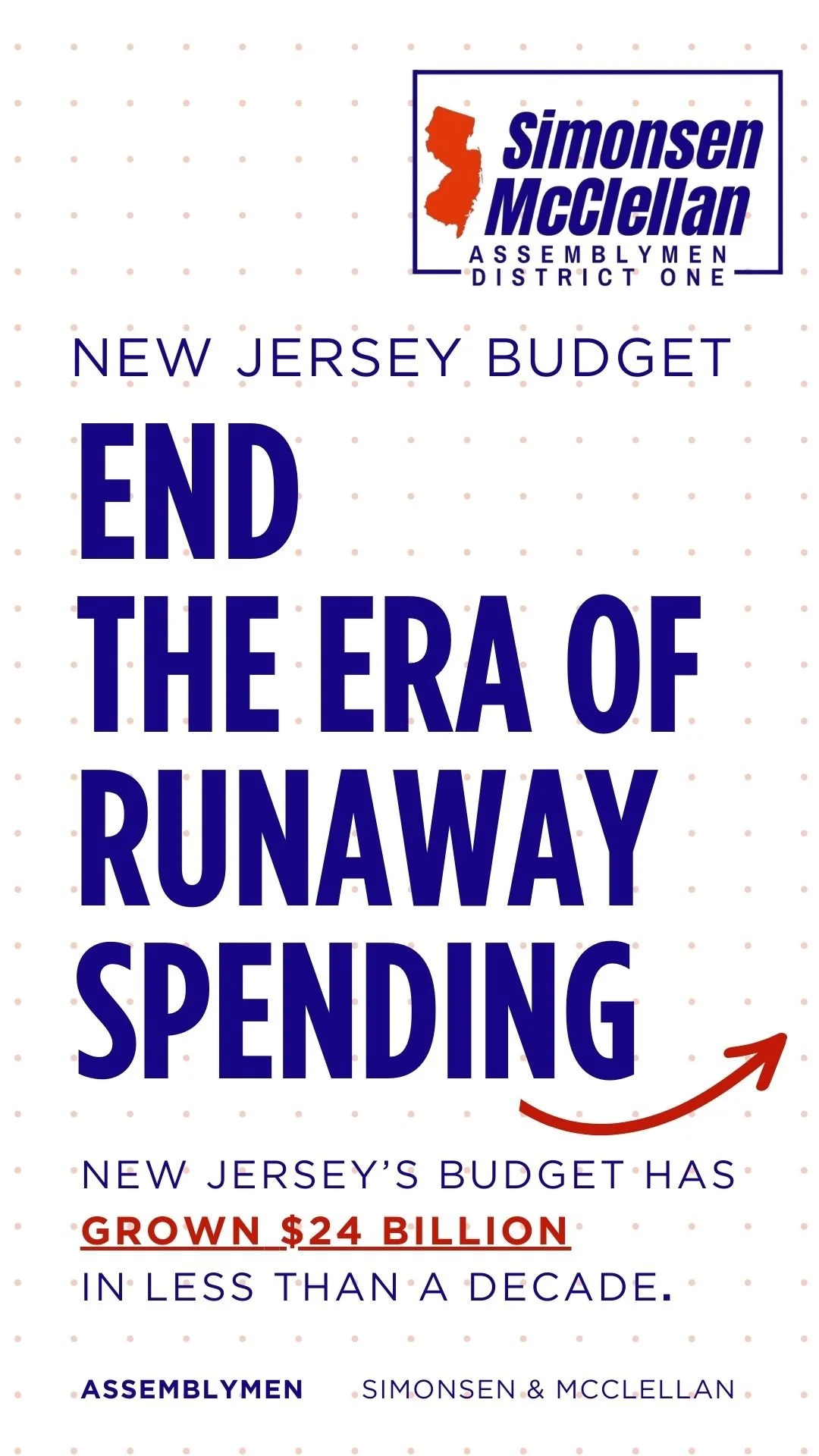
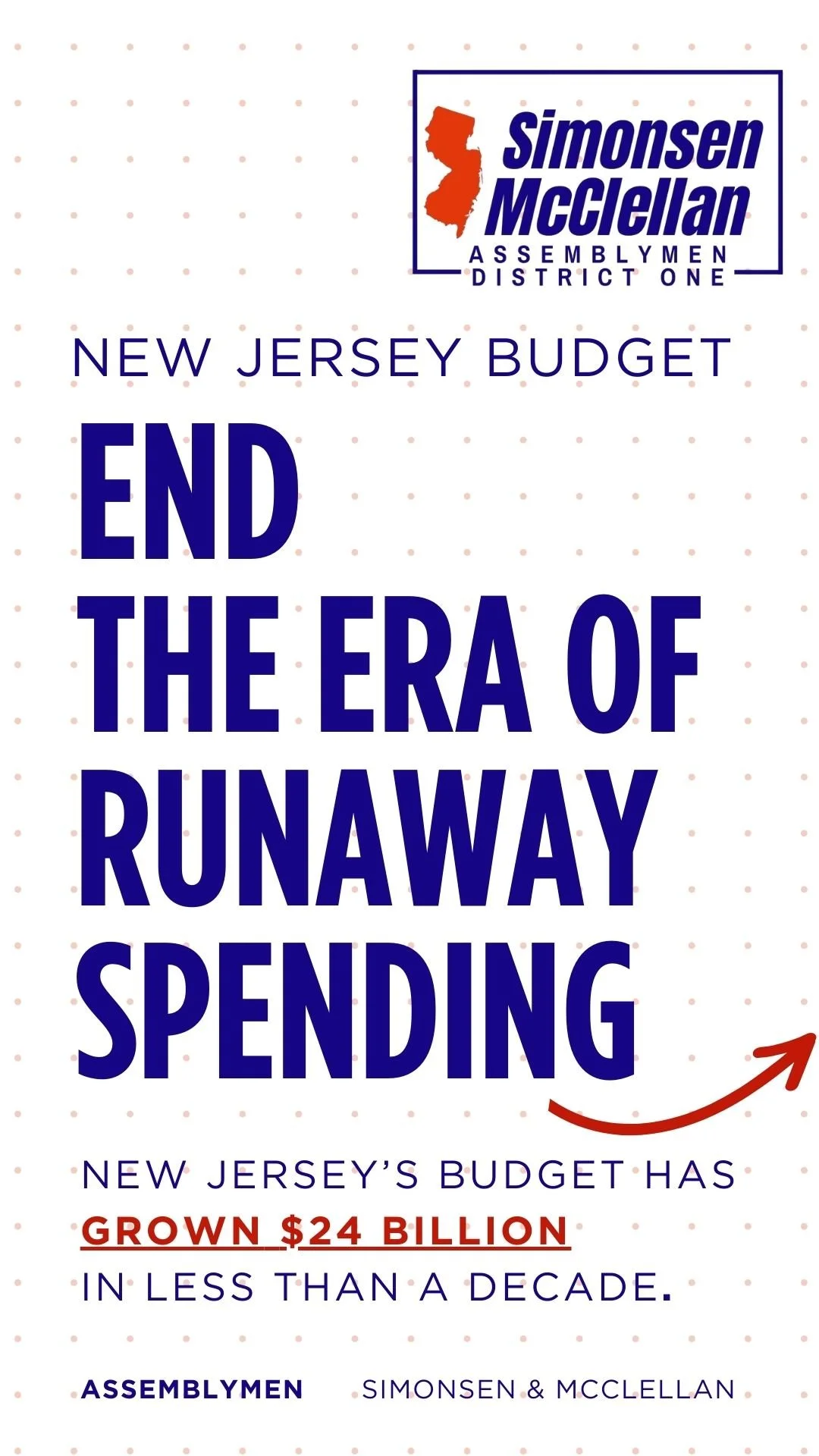
Over the past several years, New Jersey’s state budget has grown at an alarming pace. In Fiscal Year 2018, the final budget under Governor Chris Christie totaled about $34.7 billion. Today, the state budget stands at nearly $59 billion. That is an increase of more than $24 billion in less than a decade.
That kind of growth is not sustainable.
For too long, Trenton has operated in an environment where spending has expanded rapidly and without sufficient concern for long term affordability. Legislative Democrats have grown accustomed to spending levels that continue to climb year after year. While government spending has increased dramatically, the taxpayers who fund that spending have not seen their own costs stand still.
New Jersey families are already facing some of the highest taxes in the nation. At the same time, the cost of housing, energy, groceries, and everyday necessities continues to rise. Many residents feel like they cannot afford another dollar in new costs because they are already a dollar short.
When government spending grows faster than the taxpayers who support it, the result is an affordability crisis that drives families, retirees, and small businesses out of our state.
Recent spending decisions also raise serious questions about priorities. Billions of dollars have been committed toward offshore wind initiatives that have faced delays, cancellations, and growing financial uncertainty. New Jersey taxpayers deserve transparency and accountability when projects of this scale are proposed. Before committing additional resources, state leaders must take an honest look at whether these investments are delivering the value that was promised.
Education spending provides another example of why fiscal discipline matters. Public education is one of the most important investments our state makes, but the current implementation of the S-2 school funding formula has created serious disparities among districts.
Some districts have received significant increases in state aid that far exceed enrollment changes or demonstrated need. Meanwhile, other communities have faced sharp reductions in aid that force school leaders to cut programs, eliminate staff, and raise property taxes. These uneven results highlight the need for thoughtful reform that ensures school funding is fair, predictable, and sustainable.
Fiscal responsibility does not mean abandoning priorities like education, infrastructure, or public safety. It means ensuring that every dollar spent reflects careful planning and responsible stewardship of taxpayer resources.
Governor Sherrill has spoken about the need for restraint. Now comes the moment to demonstrate that commitment. The March 10 budget address provides an opportunity to begin restoring discipline to the state’s finances and to signal that the era of runaway spending in Trenton must come to an end.
New Jersey taxpayers deserve a government that recognizes the limits families face every day and respects the hard earned dollars they send to Trenton.